
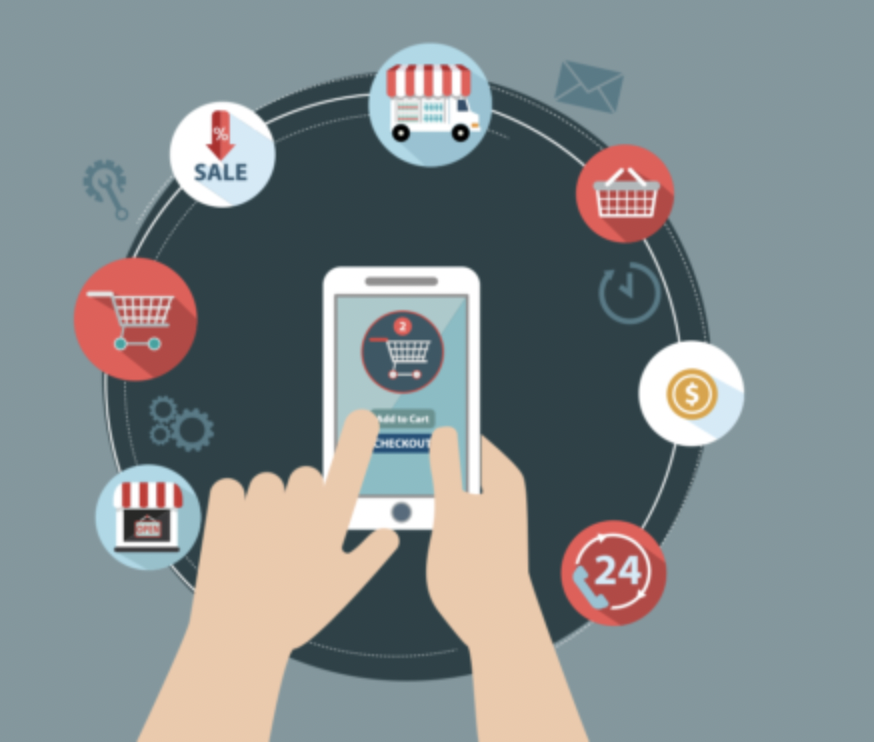
1. **Influence of Digital Environment on Buying Behavior:**
– Customers’ purchasing decisions in the digital environment are increasingly shaped by factors beyond the control of brands and firms.
– Interactions with search engines, online recommendations, reviews, and other information sources play a significant role in shaping consumers’ buying behavior.
2. **Growing Impact of Digital Devices:**
– With the proliferation of digital devices such as mobile phones, computers, and tablets, consumers are more inclined to use these platforms to gather information before making purchasing decisions.
– The digital environment has a growing influence on consumers’ minds and behaviors, particularly in the context of online shopping.
3. **Interactive Decision Making in Online Shopping:**
– Interactive decision-making processes in online shopping environments can influence customers’ purchasing decisions.
– Online reviews and customer interactions contribute to shaping the decisions of potential buyers.
4. **Factors Influencing Risk Perception:**
– Risk and trust are crucial factors affecting consumers’ behavior in digital environments.
– Customers may perceive greater risks in online shopping compared to offline shopping, including concerns about product satisfaction, after-sale services, and language comprehension.
5. **Role of Trust in Consumer Behavior:**
– Trust is a significant driver of customer behavior in digital environments, influenced by attitudes, expectations, and product perceptions.
– Customers’ purchase intentions are shaped by rational expectations and emotional trust, which can be established through product information and reviews.
6. **Product Selection Process:**
– Consumers typically find products of interest either by directly visiting retailers’ websites or by using shopping search engines to explore alternative vendors.
– Shopping cart software allows consumers to accumulate multiple items and adjust quantities, mirroring the experience of filling a physical shopping cart.
– The checkout process involves collecting payment and delivery information, with options for creating permanent online accounts to streamline future transactions.
– While some stores allow orders via phone or email, sensitive payment details should not be transmitted via these channels due to security concerns.